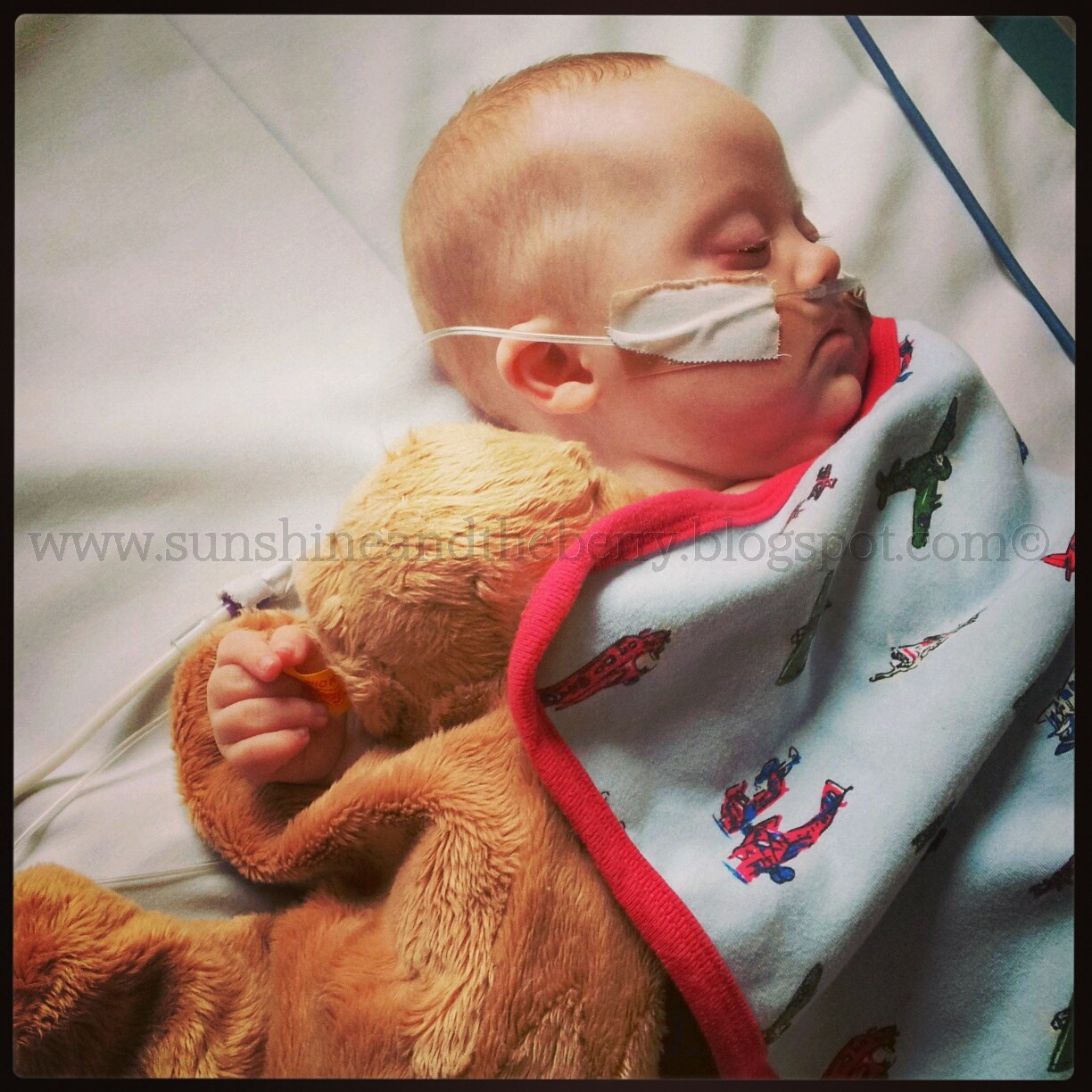
This week Milo has perfected scooting his cars and buses along the hallway and into the kitchen (well actually his sisters Sylvanian families bus is his favourite!) It's such a simple thing but I love watching him play this way like any other typical 1 year old would do. I don't know what I imagined but I suppose it involved me teaching him the skill of how to push cars whilst crawling in an attempt to aid the development of his motor skills and precicision of steering! But no, he's taught himself because it's something he loves (He loves to 'talk' and sign about all sorts of transport) and he loves nothing better than listening to the noisy clatter of the hard plastic wheels rocketing across the cold floor. Especially when he gives it a final push and whizzes right under the kitchen table. He looks at me after and signs 'gone' . Yes Milo it's gone! You are a very clever boy and I thank you for showing me the joy in such simple things!
Friday, 18 July 2014
Simple things...
Saturday, 28 June 2014
Milo's new standing trick!
So Milo has a new trick that he'd like to share with you all as he's rather pleased with himself and rightly so! Getting to this stage of Milo's physical development hasn't been easy for him. The low muscle tone which comes hand in hand with the diagnosis makes it much more difficult for Milo to learn simple techniques such as sitting or standing as it demands far more energy of him to be able to tense his muscles. With frequent practice Milo's muscle tone will improve as his skills also develop. When I think back to how floppy he was for the first 6 months it's incredible just how far he's come already.
I also find it lovely and inspiring to see that although Milo has the genetic trait of Down Syndrome he is not governed by it. In fact he has the same streak of fearless determination in him that both myself and my daughter have.
Thursday, 19 June 2014
Makaton signing
We've been practicing signing for quite some time now with Milo and its been a fantastic tool to help us to communicate with each other. We started by learning the songs with nursery rhymes but we are now able to use them in every day conversations. Milo amazes me every day with how much he understands! We also use the 'Singing Hands' DVD's to help us both to learn and we had the pleasure of meeting the 2 lovely ladies who form Singing Hands at the recent 'Disability Rocks' festival in Ilkley.
Birthday video
Milo's 1st birthday video, reflecting back on an incredible journey
Newspaper article celebrating Milo's journey against the odds
Birthday party!
Milo's 1st birthday celebrations!
September 2013
We used it as an opportunity not only to celebrate this momentous occasion but also to reflect back on the challenges we'd faced and over come together. Whilst doing this we also raised £2000 for the hospitals that helped to care for Milo.
Saturday, 24 August 2013
Superhero!
To help support this years learning disability week ( an annual awareness-raising campaign organised by Mencap), I was honoured to be asked to write a little piece on my 'superhero' alongside my friend from 'A different View' - Amy Dunn and also Rachel Maw.
. This years learning disability week takes place from 19-25 August and will celebrate people with a learning disability, their families and supporters by asking the question;
erheroes.html?m=0
. This years learning disability week takes place from 19-25 August and will celebrate people with a learning disability, their families and supporters by asking the question;
'Who is your real-life superhero'?
You can read the full article by folllowing this link
Tuesday, 20 August 2013
Milo's Feeding Journey
Milo’s feeding journey
I knew that feeding Milo wouldn’t be a piece of cake. So me
being me researched as much as I could about feeding difficulties and babies
with Down syndrome. My stubbornness
meant that I knew that I had to feed breast feed Milo and that I would do
everything that I possibly could to try and make that happen. I researched on the internet and arranged a
discussion with my friend and colleague who was an experienced lactation
consultant (Angela). Breast feeding any
child brings with it immeasurable health benefits including helping with
immunity, reducing the risk of diabetes and obesity in the future and reducing
the risk of sudden infant death syndrome.
Yet I knew that the benefits for Milo would be far greater because of
the fact that his immunity would be compromised due to his Down syndrome and
complex heart defect (complete AVSD and PDA). A natural, free
and readily available source of the perfect type of antibodies was a real
selling point for me. Oral development was another very important
issue to me as I knew that breastfeeding would help Milo to gain good tongue,
lip and face control which in turn would help with his speech and communication
skills. As well as being a midwife I was an experienced breast
feeder having fed Milo’s older sister and successfully achieved the world Health
Organisations recommendation of breastfeeding your child until they are at
least 2. In fact we’d managed to have a
wonderful breastfeeding relationship until she was ready to move on at 3 years
and 3 months old. So I was confident
that whatever challenges Milo would throw at me we would overcome them
together. Little did I know just how
difficult this challenge would be. During
my research I found that there were several issues that could make breast
feeding (or bottle feeding) more difficult than for a typical child.
These include:
Poor muscle tone -
can cause reduced muscle strength in the lips, tongue and face making the latch
poor and the suck weak and sometimes difficult to achieve.
Sleepiness - Babies with Down syndrome are often very sleepy
during the first few weeks following birth which can hinder their feeding
routine and ultimately your milk supply.
Tongue thrust – babies with Down syndrome tend to have a
smaller jaw which can make their tongue appear to protrude and push against
your nipple or your baby can struggle to latch on because of it.
As well as information from the down syndrome association I found these information sheets particularly useful when researching breastfeeding issues.
http://www.cdss.ca/images/pdf/brochures/english/CDSS_breastfeeding_brochure.pdf - I had this PDF printedoff in leaflet form and I went back to re read it time and time again as different issues cropped up. It's beautifully written.
http://www.lalecheleague.org/faq/down.html
http://kellymom.com/health/baby-health/down-syndrome/ - massive list of invaluable resources.
As well as information from the down syndrome association I found these information sheets particularly useful when researching breastfeeding issues.
http://www.cdss.ca/images/pdf/brochures/english/CDSS_breastfeeding_brochure.pdf - I had this PDF printedoff in leaflet form and I went back to re read it time and time again as different issues cropped up. It's beautifully written.
http://www.lalecheleague.org/faq/down.html
http://kellymom.com/health/baby-health/down-syndrome/ - massive list of invaluable resources.
My plan for feeding Milo was that I was to breast feed him
often, so every 2-3 hours and that if he didn’t rouse to feed then I would
express milk and give him this via a cup feed instead. I would try to avoid bottles until I felt
like we had mastered the art of breastfeeding.
So as Milo was born calmly after an induction at 37 weeks. He latched on whilst being held skin to skin after 58 minutes and fed
beautifully for nearly 50 minutes, magic and easy I thought!
The next few days Milo quietly gave one little noise to ask for
feeds every 2-3 hours (and more during the night) but would rarely feed for
longer than 5-10 minutes at a time before becoming too sleepy to feed any
more. The staff were happy that this was ok as he’d passed a
bit of meconium and was passing urine too .He was beginning to look jaundiced
but a quick check before leaving the hospital on day 3 showed that his
bilirubin level was still within the normal limit. Once home I was an emotional wreck as my
hormones were all over the place, I was exhausted and I felt the pressure from
the responsibility of caring for a very vulnerable baby. My midwife whom I knew and had worked with in
the past reassured me that Milo was ok, that he hadn’t lost too much weight and
that his feeding was normal for a baby born at 37 weeks. By the following day however Milo had stopped
asking for feeds and stopped latching on, his jaundice also looked worst. I expressed milk and cup fed him and managed
to get a referral to take him in to be reviewed for his jaundice.
He had the blood test (which took 4 attempts as his blood was so thick it would clot straight away) and we went home to wait for the results in the morning. The phone rang at 7am asking us to bring Milo in straight away for treatment.
Milo spent 2 days receiving treatment under UV lights before we managed to escape home with him and his much bruised heels, poor baby.
![]() |
| My beautiful baby in skin to skin |
![]() |
| His first feed |
![]() |
| I just love those hands! Looking a bit floppy though there so his latch is slipping. |
![]() |
| Cup feeding a sleepy baby Milo EBM |
He had the blood test (which took 4 attempts as his blood was so thick it would clot straight away) and we went home to wait for the results in the morning. The phone rang at 7am asking us to bring Milo in straight away for treatment.
Milo spent 2 days receiving treatment under UV lights before we managed to escape home with him and his much bruised heels, poor baby.
The next week we struggled on setting alarms and rousing
Milo to feed him every 3 hours. Although
he just about ticked the boxes for effective feeding (each feed lasting at
least 5 minutes, latches on well, nipples not sore, at least 2 dirty nappies
and 6 wet nappies) I was never convinced as his nappies were barely wet or
dirty.
I remember worrying a lot that he
may have Hirshprungs disorder (a common bowel problem in babies with Down
syndrome) as he was still passing bits of meconium rather than the typical
yellow new born poo. In fact in
retrospect it is clear to me now that he simply wasn’t getting enough milk
despite what the tick boxes said. I became obsessed with documenting every feed,
nappy change and vomit as I just felt as though things weren’t quite right and it
was such a responsibility. Then at 8
days old he just stopped trying to breastfeed.
I was distraught and didn’t know what to do. I rang Angela who advised me to cup feed
him 53mls of expressed breast milk over the weekend and have lots of skin to skin contact and she’d see me on the
Monday to review his feeding and weigh him.
His feeding didn’t improve over the weekend and although it was hard
work it felt satisfying to see him swallowing the milk although I only managed
to average getting 40mls into him at each feed before he would become too
sleepy again. (In retrospect I think
that this was the start of Milo becoming very symptomatic of heart failure but
for some reason I didn’t put the 2 together and instead thought that it was
something that I wasn’t doing right with trying to breast feed him!) By the Monday I somehow managed to pull my
exhausted hormonal self together to take Milo to the feeding clinic. I was more than relieved to see that he had
started to gain weight well, he then had his first nice yellow poo whilst I was
there and also showed some attempts to latch on again but didn’t quite make
it. We came up with another plan and I
felt so much better about it. Angela gave me a supplemental nursing system (SNS) to help to get Milo to suck again.
Angela also organised for us to have some
donor milk from the milk bank for Milo to help to support my supply whilst I
was trying to boost it by frequent pumping and galactogogues such as porridge
and fenugreek. The donor milk had all
come from mothers who had been screened for infectious diseases and it was
prioritised for vulnerable or poorly babies it meant that the pressure was taken off of me to express a sufficient amount for each feed and was a big relief.
I was so so utterly greatful for her help, positivity and support. She was also concerned that no follow up had
been arranged to review Milo’s heart condition (we were told that a letter
would be in the post for an appointment at 3-4 weeks old) so she organised follow
up for him the following week at our local outpatients.
![]() |
| Home and still jaundiced, but very cute! |
![]() |
| Snuggling Milo in skin to skin to help to regulate his temperature , encourage my milk supply and his interest in feeding. |
![]() |
| image taken from Amazon.com |
She explained that it could be used in 2
ways, either by taping the fine milk tube to your breast to increase milk flow
to the baby whilst sucking at the breast or by taping it to a clean finger and
allowing the baby to suck the milk from
your finger. Apparently the jaw action
used whilst ‘finger feeding’ is very similar to that of breast feeding and
babies were much more likely to go back to breast feeding following finger
feeding than they were from drinking from a bottle. As Milo still wasn’t able to latch on, finger
feeding was the new way that I would attempt to feed Milo.
So off we went home where we tried to adapt to our new
routine of 3 hourly expressing, finger feeding, washing and sterilising, with a
little time in between for the odd bit of sleep! I felt guilty at the lack of attention my daughter
was getting as Milo’s feeding regime demanded so much time. Her behaviour started to suffer as she craved
any form of attention from me, typical behaviour when a new baby arrives but it
felt more intense because of Milo’s additional needs. During this time I did manage to get Milo to
latch back on to the breast occasionally, although it wasn’t easy. I also had a go at trying to use the
supplemental feeding system whilst he was on the breast but he was on unable to
latch on with it taped to by breast and I felt like I needed to be an octopus
to give Milo enough support, and manhandle my breast and the SNS. Angela said that we could try to thread it into the corner of
his mouth once he was latched on and we did have some success with this method
although the latch didn’t last for very long and I struggled to recreate it by
myself. The problem with Milo’s latch
was that he needed a lot of support due to his floppiness. So pillows were a necessity, I also found that I couldn’t slouch back and
attempt a ‘biological nurturing’ style breast feeding position as it wasn’t
obvious to Milo in this position that I wanted him to feed. Instead I had to sit upright with a nice
straight back, holding Milo round the back of his head and under his jaw,
making sure that I was lifting his jaw up as it was all too easy for his chin
to sit on his chest preventing a wide adequate latch. I also had to make sure that his spine was
nicely in align to ensure that sucking and swallowing was comfortable for him
(you try swallowing with your head looking at your left shoulder, it’s not
easy!) Other techniques that I adopted were breast compressions when he started
to slow down and get sleepy with feeding to try and gently encourage milk flow and him to continue gulping. I also found that due to his tongue thrust
and weak latch I would have to continue to hold my breast whilst he fed, with
my thumb placed relatively close to his mouth to prevent the breast from
slipping back out. I used to envy
other mums so much for their relaxed comfortable positions whilst feeding. This felt military! Most attempts would also end in me having to
express and finger feed him what I could manage to get in him using the SNS to
top him up. It was exhausting, but I
felt proud that I couldn’t possibly be doing anymore myself to help my baby to
feed.
By 2 and a half week’s old Milo was finally seen in
outpatients where it was obvious to the Drs that he was in heart failure. An x ray confirmed that his lungs were wet
whilst blood tests showed that despite my desperate attempts to feed him, cumulatively, he had
not been getting adequate fluid and was struggling to resolve his jaundice
issues. An NG tube was passed.
Although my baby screamed with pain and it
was now obvious to everyone that he was quite poorly I was desperately relieved. Relieved to have the burden of responsibility
lifted and shared. Relieved that my baby
was now being closely watched and helped by the medical teams. Milo was commenced on diuretics in an attempt
to remove some of the fluid that had been collecting in his lungs A Dr commented that we would probably be
able to remove Milo’s NG tube within a day or 2 but I told him that I knew that
there was no way that Milo would cope without it, he simply didn’t have enough
energy to sustain himself. After a few
days Milo lost weight, due to the diuretics drying him out we thought. So the dietician was involved and increased
the amount of milk he could have. Milo
was allowed home for the weekend with his new NG tube and new routine. I quickly discovered that although the NG
tube made life easier getting the milk in to him, it wasn’t much easier over
all. I still tried to get Milo to latch
on whilst I was tube feeding him as I wanted him to associate getting a full
tummy with breast feeding. At first he
would just gag, so I encouraged him just to lie close in skin contact but then
he did decide to latch on. I have to mention that I am aware that I was greatfully endowed with breasts and nipples that are not at all flat, which make breast feeding a bit more obvious for babies to feed although it does not take away any of the other difficulties nor does it translate to amazing milk supply.
I also tried to see if he would take a bottle as I desperately wondered if his issues would improve if he would take a bottle. Yet he would violently gag every time the teat was near his mouth as though I was trying to pass another NG tube. It still hadn’t sunk in fully with me that his poor feeding issues were related to his heart failure and it wasn’t due to my determination to breastfeed, although this guilt has only just left me! In the end I discovered that by continuing to try him with a bottle it was having a negative impact on his acceptance to try to breastfeed, and ultimately long term this was more important so I gave up trying with a bottle for the time being. I had accepted that he would need his NG tube until his heart was repaired and the quickest way for this to happen was to get him to reach his target weight of 5kg fast! We returned to the hospital on the Monday expecting a quick weigh in and a good bye to discover that Milo had lost even more weight. That day he also started to sweat a lot (a classic sign of heart failure).
His heart failure was getting worse and he needed more energy to breathe
(as this was very hard work for him) and to put on weight, yet he needed less fluid as his
lungs were still very ‘wet’. It was
decided that fortifying my expressed breast milk (EBM) would be a good option
to add more calories to a smaller volume of milk. We decided on using a new born formula as it
was higher in calories and we went for one that was fortified with prebiotics
as I’d heard that there was some good (non biased) research to support the use
of prebiotics in infant formula. I was
anxious about the use of formula, even though I knew he needed it as there was
a strong history of allergies including cow’s milk intolerance in both sides of
the family. I decided to view the
formula as his medicine though and this approach really helped me to get over
any qualms that I once might have had about the use of formula. In fact this is one of those true situations
where the use of formula fulfilled its intended purpose of saving a child’s
life and I am very greatful for it. 3
days later however Milo was still losing weight and the hospital staff were now
becoming very anxious.
I also tried to see if he would take a bottle as I desperately wondered if his issues would improve if he would take a bottle. Yet he would violently gag every time the teat was near his mouth as though I was trying to pass another NG tube. It still hadn’t sunk in fully with me that his poor feeding issues were related to his heart failure and it wasn’t due to my determination to breastfeed, although this guilt has only just left me! In the end I discovered that by continuing to try him with a bottle it was having a negative impact on his acceptance to try to breastfeed, and ultimately long term this was more important so I gave up trying with a bottle for the time being. I had accepted that he would need his NG tube until his heart was repaired and the quickest way for this to happen was to get him to reach his target weight of 5kg fast! We returned to the hospital on the Monday expecting a quick weigh in and a good bye to discover that Milo had lost even more weight. That day he also started to sweat a lot (a classic sign of heart failure).
I also developed
thrush from breastfeeding and expressing became really painful, particularly following, when my nipples would burn and breastfeeding felt like someone was
rubbing sandpaper both on and in my breasts/nipples! Unable to visit my GP as Milo needed me with
him to keep providing him with milk I had to wait for a telephone consultation
then for a relative to fetch my prescription.
Thrush whilst breastfeeding is more common in times of stress so it is
no wonder that I developed it. Both
myself and Milo were treated for it to be on the safe side.
We doubled the amount of formula powder that we added to my
EBM to 1 scoop per 50mls of formula whilst the staff tried to arrange an outpatient’s
appointment in Birmingham for Milo to be reviewed. It was a very strange time being in the
hospital with my new born baby, missing my family and still trying to
understand what was going on and who this baby was? I knew he’d have Down syndrome antenatally
but at this time I remember feeling like he still seemed so unfamiliar although
I desperately loved him. Milo continued
to lose weight and started to profusely vomit after his feeds so he was commenced on anti-reflux
medication. The staff felt that even though
a test had come back to show that there were the same number of calories in my
fortified breast milk as a very high energy milk called Similac, they thought
it was best to give this new milk a go overnight as a last ditch attempt to get
him to start to gain some weight. By
this point although I felt uneasy about the Similac I was desperately worried
about my baby who was classed as failure to thrive, his skin hung from him and
he was covered in an angry rash. I felt
as though he was falling apart and I didn’t know how to help him. The Similac was started through an overnight
pump system as they wanted to give him the best chance of absorbing it (and it
also meant I may get a bit of a break as I wouldn’t have to tube feed him
overnight although I would still be getting up to express 3 hourly). I remember feeling very strange about the
Similac as though it was a chemotherapy drug being pumped into my babies’ body. I was anxious and twitchy and felt that the
thick sticky milk was too rich for my precious new baby. By midnight he was
vomiting and needed a 2 hour break from the milk, but he managed ok with it for
the rest of the night. After another
night on it was clear that he was coping ok with it and so I began to feel more
comfortable with using it.
Finally after 3 weeks of being in hospital we managed to
achieve a high enough level of calories combined with the right amount of
diuretics and so we were able to go home for a few weeks with our new intense
regime.
Milo continued to have quite severe reflux to the point
where we had to carry a cup around with us to catch his vomit in after most
feeds. He would choke and gagg with the vomiting though and it just looked so uncomfortable for him and would last a couple of minutes after each feed. He still somehow managed to gain
weight although every week as the dietician would advise me to increase the
number of mls to give him with each feed I dreaded it as I knew the chance of
me getting him to keep it down would decrease further.
Then as his sister developed a bad cold I knew that there
was no way that I could protect Milo from it and I was right. He was readmitted
with bronchiolitis and remained in hospital for over a month, coming home on
December the 22nd. During his
illness he was so poorly that he didn’t practice breastfeeding at all for 2 weeks and was
only allowed home on a continuous drip feed of milk through a pump as his
breathing had been badly affected from his pneumonia, he was also oxygen
dependant. I was advised if possible to
avoid any extra fluid of breastfeeding and simply only allow him a bit of
practice sucking if possible. This was
so difficult to achieve and quantify as I never knew how much milk he
took. However because he was pump fed I
felt that the goal of him associating a full tummy with sucking was lost anyway
and I didn’t know if Milo would ever be able to breastfeed successfully
following heart surgery. I had tried Milo with dummy's off and on since he was a month old but he only ever gagged on it as soon as it came near his mouth.
Things got worse when Milo went on to develop influenza B and needed treatment and care in the intensive care unit , once again I continued to express 3 hourly as apart from being by his side it was the only constructive thing that I could do to help him. After a few weeks recovering he was still struggling. I allowed him to have very short comfort feeds (1-2 minutes) and he would become exhausted and sweat profusely. It was so difficult, the Dr’s said to me ‘we hate to tell anyone that they can’t breast feed, but he’s just not well’. Milo wanted to breastfeed but it was just too difficult for him. I held Milo close to me and allowed him the comfort of my skin as he recovered enough to be transferred to Alder Hey for his cardiac surgery (where we'd transferred his cardiac care to). During his illness he had taken to sucking water off of mouth care sponge sticks. It was lovely to see, as it meant that for once he was able to have some pleasant oral stimulation although I remember him pestering the nurses for more and more of them when he was supposed to be on restricted fluids!
Much to my sadness it had been discussed and agreed by my friend Angela the lactation specialist, the cardiac liaison nurses and Milo's cardiologist that it was unlikely that Milo would be able to sustain himself following surgery by breastfeeding alone. He had been fed through a pump for too long and no longer recognised signs of hunger. It was felt that it would be in his best interest to perform a gastrostomy on him and insert a ‘peg’ directly into his stomach to avoid any invasive NG tubes which would help Milo to regain pleasant oral sensations again which would help him when it came to breast feeding, oral fluids and weaning. We could then use the peg to top him up with additional fluids and calories. It seemed like a sensible idea given that they would be able to perform the procedure whilst he was already sedated and intubated following his surgery in ICU. It also meant that Milo would be able to enjoy breast feeding without the pressure on us that he must gain weight well. We signed the consent form for the gastrostomy and expected that this would be the path we’d follow once his cardiac surgery was complete.
Things got worse when Milo went on to develop influenza B and needed treatment and care in the intensive care unit , once again I continued to express 3 hourly as apart from being by his side it was the only constructive thing that I could do to help him. After a few weeks recovering he was still struggling. I allowed him to have very short comfort feeds (1-2 minutes) and he would become exhausted and sweat profusely. It was so difficult, the Dr’s said to me ‘we hate to tell anyone that they can’t breast feed, but he’s just not well’. Milo wanted to breastfeed but it was just too difficult for him. I held Milo close to me and allowed him the comfort of my skin as he recovered enough to be transferred to Alder Hey for his cardiac surgery (where we'd transferred his cardiac care to). During his illness he had taken to sucking water off of mouth care sponge sticks. It was lovely to see, as it meant that for once he was able to have some pleasant oral stimulation although I remember him pestering the nurses for more and more of them when he was supposed to be on restricted fluids!
Much to my sadness it had been discussed and agreed by my friend Angela the lactation specialist, the cardiac liaison nurses and Milo's cardiologist that it was unlikely that Milo would be able to sustain himself following surgery by breastfeeding alone. He had been fed through a pump for too long and no longer recognised signs of hunger. It was felt that it would be in his best interest to perform a gastrostomy on him and insert a ‘peg’ directly into his stomach to avoid any invasive NG tubes which would help Milo to regain pleasant oral sensations again which would help him when it came to breast feeding, oral fluids and weaning. We could then use the peg to top him up with additional fluids and calories. It seemed like a sensible idea given that they would be able to perform the procedure whilst he was already sedated and intubated following his surgery in ICU. It also meant that Milo would be able to enjoy breast feeding without the pressure on us that he must gain weight well. We signed the consent form for the gastrostomy and expected that this would be the path we’d follow once his cardiac surgery was complete.
Milo was 4 and a half months old when he had his surgery but it did not go as planned and he
developed several complications whilst in intensive care over the coming
weeks. There were 2 in particular that
impacted his feeding journey. The first
complication was that he developed what they suspected to be Necrotizing
Enterocolitis (NEC) which is a nasty gut and bowel infection. His abdomen swelled massively whilst the
blood supply to the area obviously diminished.
All oral feeds were stopped and he was put on Trans Parental Nutrition
(TPN; nutrition through his veins) in order to rest his gut for a few days. I strongly
feel that at this time his EBM was the magic medicine which helped his gut to
heal and begin to function normally again without the need for surgery. It was reintroduced very slowly at a rate of
just 1 ml per hour, then 5 mls per hour for days before we increased it amazingly he avoided needing surgery on his gut to repair any damage. The consultants all felt at this time though
that because of this major abdominal set back that to perform a gastrostomy on
him now would be too risky and possibly even invite further infections into an
already very vulnerable and unstable baby.
![]() |
| Very poorly baby after 2 weeks in PICU |
The process of expressing Milo’s milk during this incredibly
stressful time was once again, both rewarding, to know that I was able to help
him but also emotional as I wasn’t able to feed him (nor hold him!) myself. Once again my milk dried up completely with
the shock of Milo’s desperate situation.
I’d been in this situation before though with my milk and knew that
although I was only able to express a few mls that I could get my supply back
through using some simple steps. I’d
watch videos of Milo breastfeeding on my phone.
I tried to relax as much as possible using a warm compress on my breast
to help with the milk ejection reflex.
Finally my Gp had been very sympathetic and had prescribed me
domperidone supplements which I could take 3 times a day. The domperidone
always had a noticeable impact on my improved supply and it was a relief to
have a backup plan otherwise I might of thought that that was that. I was never a particularly good expresser
anyway, averaging about 60mls per session and never more than 100mls so it was a
constant battle to keep my supply up during such a stressful time.
The other complication that impacted Milo’s feeding was the
diagnosis of chylothorax. The space
between his lungs and ribs had been filling with a substance called chyle which
was making his breathing increasingly difficult. There isn’t
much research on chylothorax but a couple of theories exist that it is
either a stress response or it is caused by a surgical nick or cut to the
lymphatic drainage system during surgery.
Traditionally the treatment has involved removing all fats from a child’s
diet to allow the lymphatic drainage system to heal without circulating and ultimately
losing fat through the damaged area. I
knew that this would mean that they would ask me to stop breastfeeding so that
they could put Milo on a fat free milk called Monogen. I was devastated after everything I’d one to
get to this stage with Milo’s feeding journey.
I was also devastated as Milo was unable to take a bottle due to his
heightened gag reflex from tube feeding and without breastfeeding it would mean
that we would have to return to NG feeding.
More than anything I just wanted to be able to hold and breast feed my
baby.
I was so relieved to hear that they were going to give Milo
a week to see if his chylothorax would heal itself whilst remaining on breast
milk. Luckily for me the consultant in
charge of his care that week had done some preliminary research to show that for
the vast majority of patients, their chlylothorax would self-resolve within 1
week of diagnosis and chest drain being in.
This was a complete challenge to the existing norm of treatment!
Although chylothorax patients are expected to drain for longer compared to patients without chylothorax, there were no significant differences in duration of drainage or length of stay between the ‘positive’, ‘borderline’ or ‘negative’ groups. A positive diagnosis, therefore, may provide little assistance when considering the likely clinical course of an individual patient. Interventions appear to have no significant effect on duration of drainage or length of stay. In fact TPN and octreotide appear to be associated with longer DOD and LOS; however, it seems most likely that TPN and octreotide are given because the patient is continuing to drain rather than vice versa. The literature regarding treatment options is based on small case series and retrospective audits. No randomised controlled trials have been published. Since interventions for chylothorax have adverse nutritional effects, may be associated with secondary complications (e.g. line infection, biliary stasis) and in some cases are completely anecdotal, we feel a randomised trial of active vs expectant management is indicated. Following a review of this data, our department has instituted a policy of expectant management for seven days after diagnosis. Of eight patients who received a positive diagnosis of chylothorax, five resolved without treatment. One patient was intended to be managed with a low fat diet, but did not eat and was recommenced on normal diet; drainage subsequently resolved. Another initially received Monogen but was found to be lactose intolerant and so recommenced his normal milk; drainage stopped without further treatment.
( R.Johnson 2010)I've put the above bit of data information in as I desperately tried searching for such information when I needed it most but couldn't find it anywhere. A friend has since passed it on to me so I hope that it might be of interest to someone, someday, in that same desperate situation as I was. Please let me know if you've found it useful.
However after an anxious week Milo’s hadn’t
resolved although his drainage had dramatically reduced. I was devastated when they said that they now
wanted me to stop giving him any breast milk.
So we tried Milo on the Monogen milk but he did not tolerate it. I think that as his digestive system was
still recovering from NEC it was just too difficult and strange for him to
digest. He vomited continuously, had
diarrhoea and became dehydrated and tachycardic. Thankfully and to my relief they said that he
could go back onto breast milk. His
chylothorax took another 10 days to reduce the amount that was leaking but finally
when it was draining 40 mls per day they said they we would try and remove the
drain to see what happened. It worked!
![]() |
| His first breast feed in the high dependancy unit following surgery, just magic, but still hard work for him. |
![]() |
| I love this photo so much, little starfish fingers! |
Re-establishing breast feeding after cardiac surgery wasn’t
easy, in fact it was almost like having a new born baby again as we both had to lean what we were
doing all over again. Milo’s latch was
terribly weak and he would click and gulp a lot of air and he suffered from
terrible colic like symptoms. His tummy
was also still quite sensitive from the NEC I feel, and it was weeks before his poo’s looked
less green and more normal again. The
staff were great though and gave me the flexibility to gauge how much milk I
should top him up with down his NG tube and this gradually reduced until I
became more confident in Milo and his breast feeding. His weight gain was a big worry and as he hadn’t
been weighed for the 3 weeks that he was on a ventilator it was difficult to
know whether he should still be losing weight as he had so much swelling to
lose or if he should be gaining it.
Eventually the staff realised that his dose of diuretics was too high
and then he started to gain true weight on non-fortified breast milk for the
first time ever, what a confidence boost! Breastfeeding him was a healing experience for
us both. I needed to finally be able to
feel close to my baby and he needed to feel the love of constant, secure human attachment
rather than a hospital cot.
Whilst at home and 8 weeks after his first operation I
decided to take the plunge and remove his NG tube. But just 2 weeks later he caught another bout
of bronchiolitis and after a few days of his oxygen requirement increasing they
discovered that his pleural effusion had returned. Once again they advised me that I probably
needed to stop breastfeeding Milo as it was more than likely chyle that was
leaking again. Thankfully they started him on intravenous diuretics which helped to
resolve his pleural effusion and I was very relieved once again. Another few weeks of the NG tube and we were
finally on our way to enjoyable successful (dare I say it) easy breastfeeding! Something which I feared we’d never achieve
but appreciated so so much. His latch
and strength had both improved massively and these were also helped with his
new found better muscle tone in his head and neck.
Finally after 6 months of expressing milk every 3-4 hours I
was able to give back the hospital grade breast pump that I’d loaned. I was never more pleased to see the back of
that faithful piece of annoying equipment!
When I was weaning Milo off of his NG tube I know that his intake never came any near to what the dietician wanted it to be (I know because I was so paranoid that I would weigh his nappies). I knew though that the only way that I would be able to challenge him would be just to remove the tube altogether. Even then his intake didn't increase much and he rareley had long breastfeeds (more than 5-10 minutes). He never had the sudden growth spurt that many babies experience following cardiac surgery so I decided that as well as breast feeding I needed to encourage calories via his solid foods.
Milo has taken well to solids. I had a feeling that he would do as he enjoyed the process of taking his medicines orally. It’s taken time and patience but at 11 months old Milo now has 3 meals of textured mush per day and 2 puddings such as half a banana or a yogurt. I do fortify his foods with extra calories a bit as his weight is on the lower limit of normal. He also still breast feeds well, although he has been sweaty with breast feeding this summer but his cardiologist has reassured me that it’s a temperature control issue and not cardiac. He’s also recently discovered how much fun finger foods are, and I think it’s great fun watching him too! I think that he was waiting to enjoy this stage properly once he was able to sit up himself, which makes sense as a developmental milestone.
I have no plan to stop breastfeeding, it would be lovely to
reach 2 years with him though, and that’s my target. He enjoys it and asks for it now by swinging
his body and burying his head in my top.
Although he can go a surprisingly long tome without asking so I also
offer water from his beaker or practice with the straw that we’re encouraging. I also know that the antibodies that he’ll
gain will help him enormously over the next winter and beyond. I know how lucky we are to have had the right support to keep going with all of the challenges that were thrown at us as so many people just simply don't get this support in this situation. Although I do realise that my back ground knowledge as a stubborn midwife has also helped me enormously on this journey!
I’m writing this journey as I’m proud of everything we’ve
achieved together despite the enormous difficulties we've faced. The hard work and perseverance was all worth it. Perhaps you’re
reading this as you’ve experienced something similar or are expecting a baby
with Down syndrome and are wondering what to expect with feeding and heart
problems. Milo’s journey won’t be everyone’s
experience but I hope that there are elements of it that might help someone in
the future. If any of these issues have impacted you I would love to hear how you got on.
Friday, 26 July 2013
Milo's cardiac journey * (sensitive post)
OK, this post is long, it's very long, but I've dotted it with lots of pictures to make it a bit easier to digest. The post has been a massive hurdle for me as I'd love to share more about Milo's day to day stuff on the blog but I feel like until I've got this published then I can't. Part of it is selfish therapy for my self and the other part of it is me rejoicing in how amazing my little boy is!
Whilst Milo's cardiac journey was traumatic, distressing and not straight forward it did have a happy ending. I'd love to hear how your journey's are going too?
Milo had an antenatal diagnosis of a complete AVSD. At that time it wasn’t the devastating blow that most people experience as the prediction before this point had been that they had not expected him to survive the pregnancy due to a cystic hygroma and that he more than likely had the much more devastating condition hypolastic left heart syndrome. Because of this I think I had underestimated the impact that the heart condition would have both on Milo and us as a family.
Whilst Milo's cardiac journey was traumatic, distressing and not straight forward it did have a happy ending. I'd love to hear how your journey's are going too?
Milo had an antenatal diagnosis of a complete AVSD. At that time it wasn’t the devastating blow that most people experience as the prediction before this point had been that they had not expected him to survive the pregnancy due to a cystic hygroma and that he more than likely had the much more devastating condition hypolastic left heart syndrome. Because of this I think I had underestimated the impact that the heart condition would have both on Milo and us as a family.
He was induced and born weighing 2.84kg at 37 weeks without
any serious concerns. I had already
written in my birth preferences that I did not want him to be separated from me
and taken to the neonatal unit as a precaution but rather only if there were
clinical problems identified.
Milo did begin to struggle with feeding (Milo’s feeding
story to follow!) and jaundice and after a couple of weeks was readmitted with congestive
heart failure. We were surprised that he
was struggling so early with heart failure but were told that it was because as
well as having a large complete AVSD he also had a large PDA which hadn’t
closed after birth in time this led on to pulmonary hypertension from too much blood being pumped to his lungs and flooding them.
Over the next month whilst in the hospital Milo was classed
as failure to thrive as we struggled to get the right balance of diuretics and
calories needed in order to help Milo to gain weight whilst preventing his
lungs from being overloaded with fluid. He worked really hard with his
breathing which was very fast and with chest recession and sweated an awful lot
with feeding.
By this point he was fully
naso gastric tube fed a high calorie combination of fortified expressed breast
milk and high energy formula although I also gave him daily practice at sucking
at the breast for 1 minute to help to maintain a sucking reflex. He was
discussed as a potential candidate for pulmonary artery banding (where they put
a band on the pulmonary artery to reduce the blood flow to the lungs to allow
the child time to grow). However despite
me pestering , by the time they’d got
round to discussing his case Milo was 5 weeks old and had finally started to
gain weight weighing 2.9kg so it was decided to hold out for a full repair
which we were told could happen when Milo reached 5kg. Milo was discharged from hospital on a very
complicated feeding regime but it wasn't to last.
Milo's daily breakfast
Within a few weeks he was readmitted struggling with his
heart failure and a nasty cold virus called RSV which causes bronchiolitis in
vulnerable babies. He was very poorly,
ghostly white from exhaustion and needed high dependency care with high flow
air/oxygen mix (optiflow) and further restricted fluids continuously fed
through a feed pump.
Poorly boy
It was a very
frustrating time seeing many other babies come in with similar symptoms only to
recover within 3-5 days. Milo took 4
weeks to recover and even then he was sent home on oxygen and no longer able to
tolerate bolus feeds due to him sweating too much and working too hard with his
breathing so instead needed a feed pump continuously.
Changing his face tapes has always been a trauma!
On the mend and first proper smiles for mama
He was only home for a few days over Christmas which was
really quite stressful being a 24hr carer for a very poorly baby and during
that time I was up and down to the hospital like a yo yo with various
concerns. His respiration rate was 80
and he was really struggling.
Then he
was readmitted with a very high fever which turned out to be influenza B. His oxygen saturations were dropping into the
40’s when he managed to sleep despite 6 litres of 100% oxygen via optiflow so
he was transferred to the children’s intensive care unit. It was a very scary
time.
The cardiologists liaised with the
doctors caring for him and they thought that he was probably having large
shunts of blood going through the holes in his heart. It was decided that as soon as he had
recovered from influenza that he needed his cardiac surgery as his heart simply
wasn’t coping. So after a few weeks of
another very slow recovery we eventually managed to get him off the optiflow and
said good bye to all the lovely nurse friends that had felt more like Milo’s
family since he’d been born and got into the ambulance for his transfer to
Alder Hey Children’s hospital.
Milo’s Sat’s were still dipping into the 60’s as he slept at this point and we had only managed to achieve a weight of 4.6kgs at 4 months old.
Very pale baby celebrating Christmas
![]() |
| Bruised head from repeated attempts at trying to get a line in somewhere, a central line was inserted in the end which was much easier to take blood gases from. |
Milo’s Sat’s were still dipping into the 60’s as he slept at this point and we had only managed to achieve a weight of 4.6kgs at 4 months old.
It’s worth noting that over the time of Milo’s heart failure
we had had 4 different oppinions from various experts over what were an
acceptable level of oxygen saturations for a baby with a complete AVSD and
PDA. 2 different cardiologists told us 89% and above, a respiratory expert told us that he should
have normal sats (above 94%!). In the
end his cardiologist who we’d transferred to told us that he would be happy
with sats of 80%! Although Milo was
still needing oxygen whilst he slept to even achieve this. I’d be curious to know what other parents experience of this piece of advice have been.
Arriving at Alder Hey was a very scary experience for
us. We had been used to our own private new
on-suite room at our local hospital where we knew every lovely nurse by name. Although here he was to stay on HDU and I was
told that I could not stay with him.
Thankfully a kind nurse allowed me to stay in a bed around the corner
from him although I didn’t get much sleep as I kept checking that he was ok.
I remember feeling that the build-up to his operation was so
intensely awful with me struggling to stay strong for my little boy having to
go through so many failed attempts at blood tests and agonising echo’s. I also wasn’t prepared for the bluntness of
the consent form and struggled to listen and stay focused after they stated the
10% risk of mortality figure due to his oxygen dependency, pulmonary
hypertension and size. We were aware
that the reason that they’d held off for so long in performing his surgery
whilst he struggled with heart failure was because of the difficulties in
making the new valves that are needed when an AVSD is complete. The surgeon informed us that the difference
of an extra month can mean the difference between the valves being as thin as
paper, clear and soft as butter to something much tougher that could hold the
stitches in place. Although they agreed
that Milo could not wait any longer for his surgery.
We were told that he would probably have his operation the
next day but I didn’t like the uncertainty and told them that I’d rather he
wait an extra day than compete with 2 other patients and for them all to be
starved when only 2 could go to theatre.
My concerns were brushed over though as they needed to get as many children
through surgery as possible and if there was a chance of getting 3 done then
they’d rather starve 3.
The next morning we were up early to give Milo his last bit
of milk and wipe him down and gown him up.
I took lots of photos of him smiling and playing with daddy in the dim
light of the ward frightened that they may be the last ones that I’d get of
him. After many hours of waiting for
news we overheard the doctors casually mention to a nurse that Milo wasn’t for
theatre today. I felt so cross as I’d
predicted that this would happen and although Milo didn’t necessarily feel
hunger due to being continuously tube fed for so long I wanted to make the
experience a smoother ride for all of us as it was already so stressful. The day didn’t get better as Milo was
accidentally given aspirin off another child’s drug chart despite my husband’s
protests that he wasn't on aspirin. The
nurse admitted to us later that she had made a mistake and was deeply sorry. Although disturbed by this error the nurse
had shown genuine empathy that day and we wanted to move on. Surgery was scheduled for the next day and
the surgeon was happy to still proceed despite the error.
Sitting down to go through the detailed consent form with
his surgeon I remember staring at his long slender fingers and neatly trimmed
nails praying that these would be the hands that in his words would ‘prolong
life’
.
.
The following morning we once again went through the ritual
of the dozens of ‘last’ photos and cuddles with our heart in our throats.
Milo was 1st on the list and so at 8.45 am I carried him into the anaesthetic room and lay him down on the heated squishy mat on the bed, gently kissing his head as he breathed in and licked the gas mask. Walking back along the corridor to his dad I cuddled Milo’s puppy before hugging Adam. We went back to our room and did our best to keep busy, do washing, tidy up. All the time thinking of what was possibly happening to my little boy at that moment. We’d been asked not to leave the hospital grounds in case they needed to speak to us urgently or ask for us to consent to further urgent treatment.
I tried to relax and take a bath, but as soon as I got in
the bath my phone rang from an unkown caller. ‘It’s one of the nurses on the
ward we’re just wondering if you could come over to speak to the consultant as
he needs consent’. I almost had a heart
attack as I was stuttering to ask her what for , splashing water everywhere as
I dived out of the bath. She then
explained that it was consent for his gastrostomy tube that he would have
fitted the next day. I was so cross that
they’d rang about that at this time yet so relieved that it was nothing serious.
After consenting for the gastrostomy tube I was impatient
and couldn't bear to wait in the Ronald Macdonald guest house. So instead we spent the last couple of hours
of Milo’s op in the intensive care unit waiting room. All I needed to know at that time was that
he’d made it out of theatre ok. I couldn’t bear the thought of him being in ICU
without me knowing. It was therapeutic
to start to speak to other parents about their experiences whilst I was
waiting. The last hour dragged and I
spent it mainly in the corridor outside of the ICU doors, desperate to get a
glimpse of his cot and entourage being wheeled behind the door.
The relief when I saw him was incredible and after 25 minutes of badgering staff they finally allowed us in to sit at his bedside. They were great at explaining what everything meant, every tube, wire, mark on him. Within minutes though Milo was writhing and wriggling all over the bed, kicking his legs out. I was anxious that this wasn’t supposed to be how he should be, minutes after surgery. Then his surgeon came and discussed with the nurses that he wanted Milo ‘flat’ for the next 24 hours to allow his heart chance to rest. He explained that the operation had been complicated and tricky but that he was happy with the repair. He said that his heart was ‘massive’ and his pulmonary hypertension very high.
We felt unbelievably relieved to be the other side of his surgery although we were anxious that the next 48 hours at least would be critical.
The relief when I saw him was incredible and after 25 minutes of badgering staff they finally allowed us in to sit at his bedside. They were great at explaining what everything meant, every tube, wire, mark on him. Within minutes though Milo was writhing and wriggling all over the bed, kicking his legs out. I was anxious that this wasn’t supposed to be how he should be, minutes after surgery. Then his surgeon came and discussed with the nurses that he wanted Milo ‘flat’ for the next 24 hours to allow his heart chance to rest. He explained that the operation had been complicated and tricky but that he was happy with the repair. He said that his heart was ‘massive’ and his pulmonary hypertension very high.
We felt unbelievably relieved to be the other side of his surgery although we were anxious that the next 48 hours at least would be critical.
Well Milo needed longer to recover than 24hours and for the
next few days we battled with Milo’s bleeding requiring transfusions and extra
stitches, fast heart rate and high temperature as well as sedation, blood
pressure and swelling issues. They
dressed him in a cooling jacket in an attempt to bring his temperature down and encourage more fluid back into his circulation and prevent his blood pressure from dropping so dangerously low.
At 1 point I as I was discussing with the doctors that I was concerned that he might be feeling pain his heart started losing all out put function. Within seconds a curtain had been dragged across as staff rushed to his bedside and someone carried the emergency drug box. Thankfully with early intervention and an extra shot of adrenaline they managed to stabilise his heart again although they were still concerned about how much fluid he had collected as he was grossly swollen.
Every time that I would leave him to get a drink or make a
call I felt sick to my stomach not knowing what the new drama would be that I
would return to. I hated leaving him at
night and would spend time ensuring that I got to know his new night nurse
before I entrusted him in her care. I
always wanted to show them a photo of who the real Milo was as I was aware that
he just looked like a body to them and I
wanted them to feel what a special little boy he was that they were caring for.
When I got up at 2 am every morning I would ring to ask how he was, but luckily
most of his dramas seemed to unfold during the day. Returning at around 7am each morning meant
that I’d get to hear the full hand over of care to his new nurse ensuring that
I regained a tiny bit of control over a situation in which I felt
helpless.
Milo was really really swollen his eye lids didn’t close and
the membrane on his eye was also swollen and bloodied. 4 days had passed since
his surgery and he’d remained ventilated the whole time as he’d been so
unstable. The fluid had taken advantage of the empty pocket of skin around his neck where he'd had a cystic hygroma when I was pregnant, he was so swollen that his head molded to a wedge shape and he had to be rotated regularly to help to shift the fluid around his head. But after 5 days there was talk that we were going to try to extubate him and get him breathing by himself.
.His dad left the hospital as he had to return to work the next day. From this point on I was on my own.
The next morning though Milo wasn’t happy, I didn’t feel as
though his pain relief had been kept on top of as he’d just had paracetamol,
the ICU was shut down and I was asked to leave. An hour later I was urged to return
before the other parents as the staff couldn’t seem to soothe Milo’s constant mews of
discomfort. His skin was mottled and his
legs and arms turned a deep shade of purple.
A blood gas confirmed that he was struggling too much. For half an hour I held his tiny hand as they
tried to help him using a mask and positive airways pressure (CPAP) but his
blood gas was still awful so they decided to reintubate him and I was forced to
leave his side for the procedure once again.
His tummy looked a bit swollen and I wondered if he’d had tummy ache and if we’d pushed him too far with the bolus feeds too soon.
On returning the echo showed that his valves had started to
leak too much but the doctors thought that if they gave him a bit more time to
lose some of the fluid that he’d been storing then his heart wouldn’t have to
work as hard. Then his stomach started
to swell more and more and after a couple of days it was huge and shiny and
there was a dark patch on the surface where the tissue had begun to die.
His liver was also clearly visible below the
surface of his skin, floating and massive, a clear sign of severe heart
failure. I broke down at this stage
fearful that it was obvious to everyone else that he was dying and they didn’t
want to discuss it. A quote from the Heart
Line children book stuck in my mind which said ‘Although parents may suspect
that their child is dying, they may be afraid to ask and have their fears
confirmed. Hospital staff tend to focus
on the positive and may avoid voicing concerns that a child is deteriorating’. The staff tried to reassure me that they were
doing everything that they could for Milo. It was thought that Milo had necrotising enterocolitis, a very serious gut infection,
so we rested his gut from feeds and put him on TPN (nutrition through the vein) and also removed his groin arterial line in an
attempt to improve his circulation to his tummy and legs. Green faeces started to emerge from his NG tube
and my baby felt no longer recognisable.
How could we come back from this point?
I was exhausted from the constant worry and the fact that I felt that I had to be on the ball all of the time as I was the only person who had had full continuity with Milo throughout all of his difficulties. But again he started to improve, his fluid decreased and after another few days they felt he was ready for extubation.
They weaned his sedation so that I had ‘my Milo’ back with me
but he was panicking that he had tubes stuck in him everywhere. At the time one of the lovely nurses from our local hospital had been so kind to come and visit Milo to see how he was doing, everyone there was also worried about him. He started to work harder with his breathing
and ‘fight’ the vent. The doctors wanted
to give him another hour or so before removing the tube to see how he did. But stuck in this limbo was like torture for
him and soon his arms and legs were cycling wildly whilst his eyes were wide
and staring intently at me in panic whilst I struggled to hold his hands to
calm him down. Then I heard the bubbling
and saw that his breathing tube (ET tube) was full with blood. They suctioned him but it kept coming’ more
and more. They quickly sedated and
paralysed him again to stop his gag reflex from all of the blood and make him
more comfortable. I grasped Milo's visiting nurses hand as we watched them work on trying to stabilize him. A massive pulmonary haemorrhage
was confirmed via X ray, as the image showed his lungs were completely white and
filled with blood. He had been drowning
and I’d been pinning him down. I still
feel traumatised by this event today. He was fully sedated again and I was relieved that he was getting some
relief from this torture. They had to
turn up the ventilation to its maximum to try and stem the bleeding and he was
very close to needing oscillation (higher frequency ventilation for difficult
to ventilate patients). He was given
blood transfusions, vitamin k and fresh frozen plasma, all in an attempt to
stem the bleeding. I remember googling
what the haemorrhage meant only to see my screen filled with the word fatal, I
knew it was serious. I rang my husband
and asked him to come be by my side as I didn’t know what would happen.
The next morning the consultants broke it to me that Milo
was very poorly. That they suspected
that he’d got endocarditis. Previous tests that I had not been made aware of were showing that his lungs were positive for pseudomonas
and ecoli and that they didn't think that they would be able to get him off the
ventilator with such bad regurgitation of his heart valves. Furthermore, that if he managed to recover
from this infection that the only option would be to take him back for more
open heart surgery and attempt to repair his valves. Only he was so small that they didn't know
how they would be able to repair the valves, as he suspected that the sutures had torn through his valve tissue
which is as thin as paper but clear. He
was too small for transplants or mechanical valves too. I hit rock bottom that day, I started going through the grieving process sobbing
and wailing, furious at staff for missing things or not keeping me informed
before this point about the possibility of infection. Denial that this couldn't possibly be happening to me, bargaining that they must of missed something, that they had to do something. Until this point I’d asked
for visitors not to come to ICU but to wait until he made it to the ward but I
sent the text out asking them to visit him and telling them that the outlook
wasn’t optimistic. The unit was shut down as a child needed an emergency
operation in ICU but I was sobbing so much that they let me stay with my
precious boy, stroking his head and singing him songs.
At my lowest point that day (and I’m really opening my heart
up now) I was having the daily battle that Milo’s sedation wasn’t enough, that
he was distressed and in hysterics I thought that I wanted someone to end it
for both of us now. I thought that it was utter torture for him and torturous
for me to have to stand by and watch my baby suffer for so long. I even questioned whether I’d done the right
thing in not terminating him and bringing him into a life of pain and
suffering. In retrospect now I think
that these thoughts were a reflection of how traumatic I found the experience. I know that the experience has had absolutely
no lasting effect on my amazing happy boy, on the contrary it has given him the
gift of life. In writing these thoughts
down now I'm doing so not to wallow in self pity but to process and help myself overcome the lasting emotional distress of the situation whilst sharing with parents that these feelings of despair are normal in
this sort of situation
.
Sitting in cubicle 2 and watching the 10th child
come and go back to the ward following their open heart surgery was also
equally hard. I sobbed when I expressed
him milk wondering why I was doing it and what I’d do if I lost him. I went back to ‘Mac house’ that night and breathed in his baby grow that
he’d worn before he’d gone to theatre, too scared to wash away his smell. The next morning I found myself saying ‘if’
he survived to a member of staff and then I realised that I couldn't function
like this. I decided that this was too
unbearable and that I had to stay strong and be positive for Milo, to help both
of us. I decided to focus all of my
energy on ensuring that he had adequate sedation and pain relief at all times (we
could deal with withdrawal at a later stage) and that I was fully up to date
with all of his test results. I had to
help Milo and he HAD to get through this.
So they pumped him with antibiotics in a desperate
attempt to save him whilst they rested him.
I remember looking at his
terribly pale and bloated pin cushion of a body struggling to even remember
that it belonged to ‘my Milo’ . Then they were having issues with his blood
pressure again, and his raised temperature.
At this time, people all over the
world were supporting us and thinking and praying for Milo. We were inundated with get well soon messages
and messages of support, it was so lovely and really helped to keep my spirits
up.
ry.
After many days and a false hope of it happening on the Monday they finally decided that Milo was as strong as he was ever going to be to return to theatre for further open heart surgery on the Thursday. His heart was having strange arrhythmias called ‘bi-geminy’ and SVT and we were told that we should expect Milo to be very poorly if he made it through his operation. We were informed that the risk of fatality from this 2nd operation was double that of the first operation and that it would take longer. He would more than likely need Ecmo (a form of long term bypass) to give his heart chance to rest and recover following surgery. They also arranged for lots of extra skilled members of the surgical theatre team to be present during his surgery in case of complications.
ry.
After many days and a false hope of it happening on the Monday they finally decided that Milo was as strong as he was ever going to be to return to theatre for further open heart surgery on the Thursday. His heart was having strange arrhythmias called ‘bi-geminy’ and SVT and we were told that we should expect Milo to be very poorly if he made it through his operation. We were informed that the risk of fatality from this 2nd operation was double that of the first operation and that it would take longer. He would more than likely need Ecmo (a form of long term bypass) to give his heart chance to rest and recover following surgery. They also arranged for lots of extra skilled members of the surgical theatre team to be present during his surgery in case of complications.
On the day of his surgery we got hand and foot prints from
our beautiful baby and kissed him goodbye once again. Then we headed back to
our room in Mac house where we tried but failed to think about anything but his
surgery. An amazing parcel of gifts had
arrived on ICU just minutes before he’d gone to theatre. It was from the lovely members of The Future
of Downs forum who I’d had fantastic support from and it was an really uplifting gift which arrived just at the right time. Then,
after less time than expected, we got the phone call from Milo’s lovely nurse
Amanda to say that he’d made it through surgery and was back on ICU. We couldn't believe it and practically ran
across the road to see him. He was
looking good and Amanda was also amazed that he didn't have any complications
at that time.
The surgeon came to explain what he’d found and said that
Milo’s heart was mushy inside as though he’d had early stages of
endocarditis. He said that his valve
looked as though it had exploded from underneath although the original sutures
were still in place. He had managed to
patch his valve up with a piece of bovine pericardium and whilst the repair
wasn't perfect it was working and Milo had tolerated the operation well. They were much more cautious with Milo’s
recovery after this 2nd operation, but he surprised everyone and did really well. They spent longer ensuring that his swelling
significantly reduced. 3 days later they
were going to attempt extubation when they realised he wasn’t tolerating it. Unfortunately
he had to have another chest drain in which revealed a chylothorax (leakage of
lymphatic fluid into the pleural cavity).
The following day he was ready for extubation and although I had a
moment of tearful panic remembering the previous attempts I was relieved
that it all went smoothly. I finally got my
first tentative cuddle in 3 weeks, oh how amazingly fulfilling that felt. Finally my 3 week bedside vigil on ICU came to an end as we headed for the ward.
The next day he was back on the ward where he spent another
long 3 weeks. At first it was hard to
adjust to the fact that he didn’t have a 1-1 nurse but as he got better and was
moved off of the HDU bay we were given a side room and I was finally able to
stay overnight with my baby and relax a little in each other’s company. We tried for a week getting Milo’s
chylothorax leakage to reduce without altering his diet (breast milk, but now
not fortified) but after 7 days the leakage was still around 50mls per day and
so the team decided it was best that we try to swap Milo’s milk to
Monogen. Well that didn’t go down well
at all. Milo persistently vomited, had
green thick mucousy stools and became dehydrated and tachycardic. Enough was
enough so we put him back on to breast milk and he got better, but the chyle
took another 10 days to reduce back down to 40 mls per day before they decided
that they could remove the drain. I was pleased that the hospital had worked flexibly
with me over the chylothorax and changing of his diet. In most hospitals it would
be unheard of for children not to be changed to Monogen milk straight away, despite
there being no evidence to support this intervention. Within 24 hours of them removing his drain we
were finally home after 6 weeks in Alder Hey and many months being in hospital, it was like bringing my new baby home from the hospital all over again.
Milo was kept on diuretics for a few weeks and has been on
long term lisinopril but is doing well although we never stop worrying about
him and his heart. We've been told that there is a 30% chance that he'll need his valves replacing as he grows (although 1 cardiologist told us that he would certainly need them replacing before he's 5). We're always on the look out for symptoms of heart failure returning with him. He’s continued to
struggle a little with his respiratory issues and needed oxygen at home for a
while but this seems better during the summer so we’re keeping our fingers
crossed for a better winter too!
I suppose I wanted to share Milo’s cardiac journey as it is
a testament to everything that he has overcome.
He truly is a little fighter. I
also want to give thanks to the amazing cardiac surgeons and their teams
without them many lives would be lost .
We’re planning on a big 1st Birthday party for
Milo where we hope to raise funds for the hospitals where Milo was cared for. Although it will be an emotional day we can’t
wait to celebrate it!
Subscribe to:
Posts (Atom)


.png)